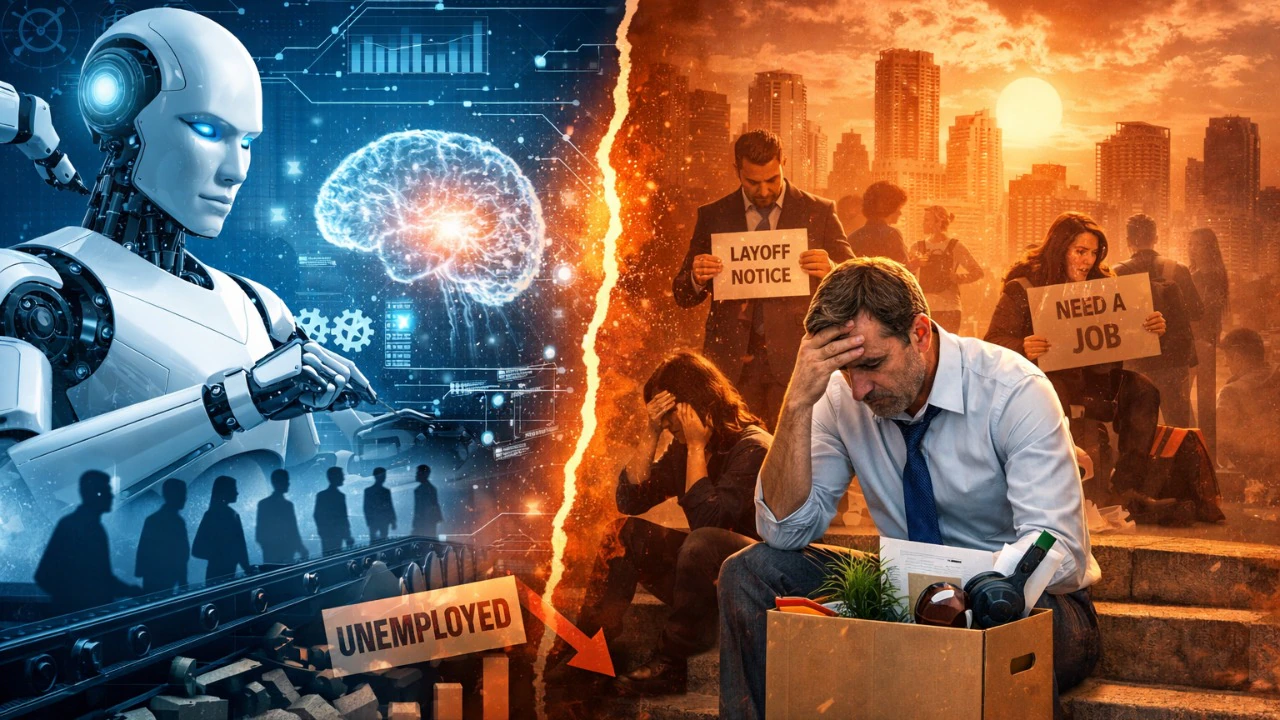
Decision details: On July 14, 2025, Goldman Sachs made the unusual announcement that it was adding Devin, an AI software engineer developed by London startup Cognition, to its team. The AI engineer, who is fully autonomous, will work alongside Goldman Sachs’ 12,000 human developers. “We are going to augment our workforce with Devin, who will be like our new employee and will perform tasks on behalf of our developers,” the bank’s chief information officer, Marco Argenti, told CNBC. Goldman Sachs will initially deploy hundreds of Devin agents, and the number could grow to thousands in the future. The AI agent, which Cognition introduced in 2024, is being called the world’s first “AI software engineer.” It can not only write code but also complete complex multi-step tasks with minimal human intervention. Devin will perform tasks like updating old code using his digital toolkit, such as a shell, code editor, and web browser, which are typically the work of engineers. are cumbersome for. Performance boost: According to Marco Argenti, Devin can increase productivity by three to four times compared to previous AI tools. He said: “These models basically outperform any developer. It’s really amazing.” Goldman Sachs, which already uses AI tools such as Developer Copilots, is now entering a new era with agentic AI like Devin. This AI not only automates common coding tasks but also has the ability to handle entire workflows, freeing up human developers to focus on more strategic and creative tasks. Impact on jobs: The decision is particularly worrisome for new engineers. According to a report by Bloomberg Intelligence, the growing use of AI could lead to the loss of up to 200,000 jobs globally in the banking sector over the next three to five years. Tasks automated by AI, such as coding and research, pose the greatest threat to entry-level jobs. Marco Argenti, however, The idea of a ‘hybrid workforce’, where humans and AI will work together, has been put forward by experts, but experts believe that this development of AI poses a major challenge to jobs. An X-post said: “Goldman Sachs’s ‘employee’ Devin is a clear signal that AI is no longer just a support tool, but can become a full-fledged replacement.” Hybrid workforce concept: Goldman Sachs’ chief information officer stressed that Devin will not replace human employees but will work alongside them. He said: “Engineers will be expected to clearly articulate problems, translate them into prompts, and monitor the work of AI agents.” This ‘hybrid workforce’ concept would require human developers to play a more strategic role, while AI would handle routine tasks. However, some experts call it a temporary phase. One analyst said: “This hybrid workforce is just a transitional phase. As AI's capabilities grow, it will move towards more complex tasks, potentially reducing the number of human jobs. Devin’s limitations: Although Devin is being touted as a revolutionary AI agent, it also has its limitations. In independent tests conducted in January 2025, Devin successfully completed only three out of 20 tasks, while it failed on complex tasks. The researchers said that Devin handles simple coding tasks well, but it has difficulties with complex projects. Nevertheless, Cognition has introduced version 2.1 of Devin, which performs better on large code bases. Social and economic implications: This decision could have a profound impact on the future of jobs. According to a Bloomberg report, 200,000 jobs could be lost in the banking sector in the next few years due to EI. This situation is especially difficult for new graduates, as entry-level jobs are in short supply. According to a report by Signal Fire, big tech companies are set to cut their hiring of new graduates by 25% in 2024. One X user wrote: “AI agents like Devin are reducing opportunities for new engineers. It’s time to retool the education system for this era of AI.” “On the other hand, Goldman Sachs is still hiring human software engineers, who earn between $115,000 and $180,000 a year in New York. However, experts believe that even these salaries could come under pressure as AI becomes more prevalent. The bottom line: Goldman Sachs’ decision to add Devin as an ‘employee’ is a milestone for the technology and financial industry. While the move promises to boost productivity, it also raises alarm bells for entry-level jobs. Marco Argenti’s concept of a ‘hybrid workforce’ offers a promising perspective, but its long-term implications are still unclear. As one analyst put it: “This is not the dawn of AI, but the beginning of a new divide between humans and AI.” "Those who will create harmony with AI will be the ones who will succeed in the future." This decision marks the beginning of a new era not only for Goldman Sachs but for the entire financial industry, where a new chapter of both cooperation and competition between AI and human labor is emerging. Source: CNBC: Forbes: Fortune: Bloomberg Intelligence Report X Posts: