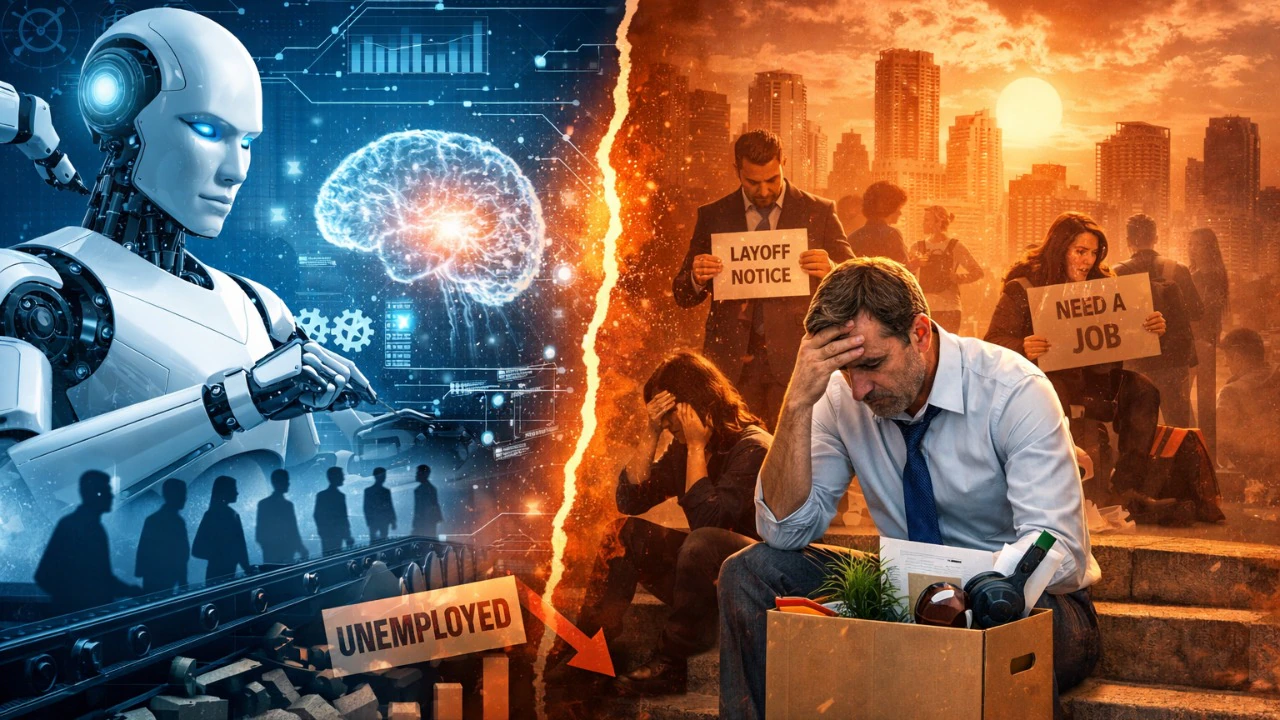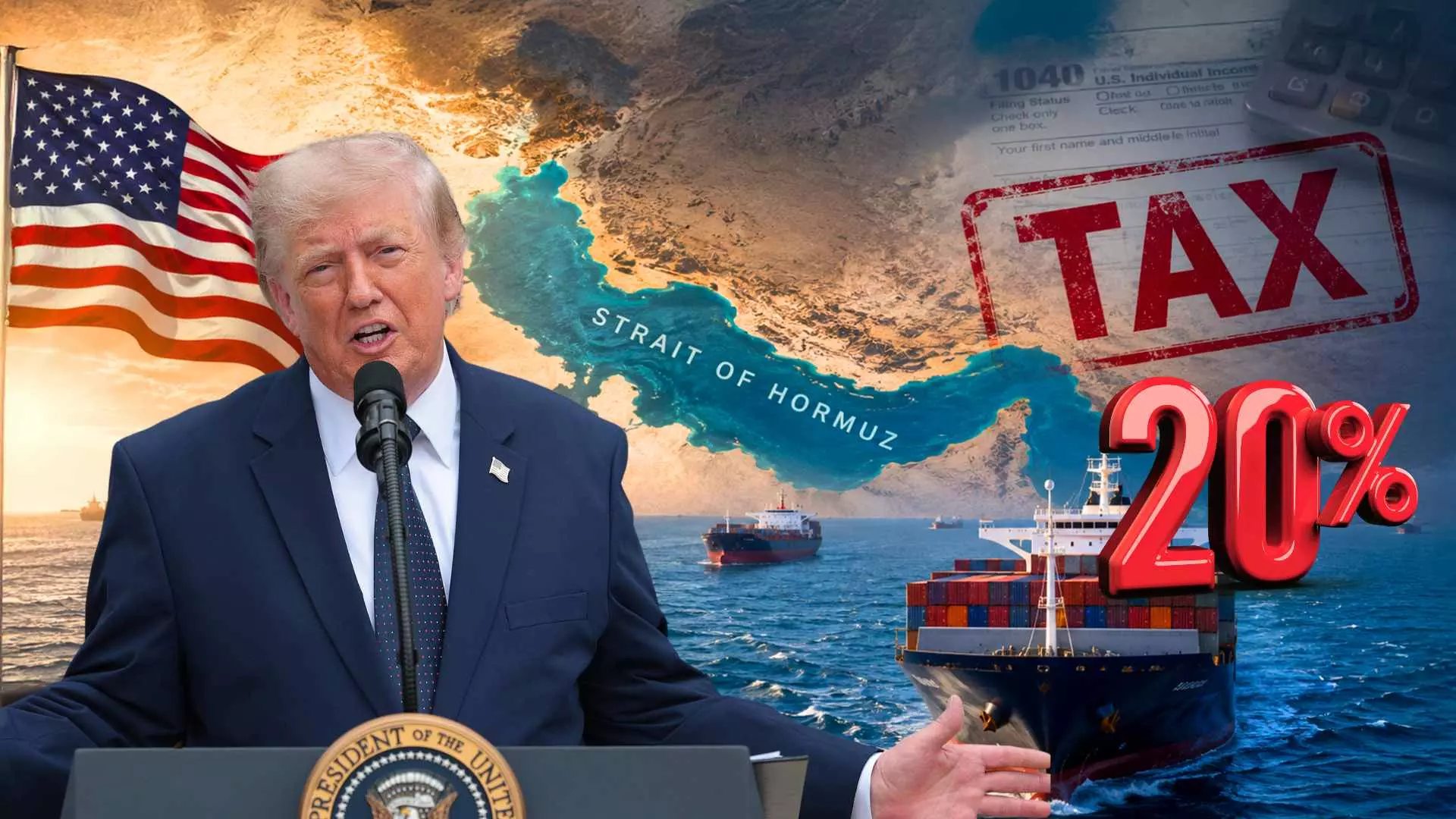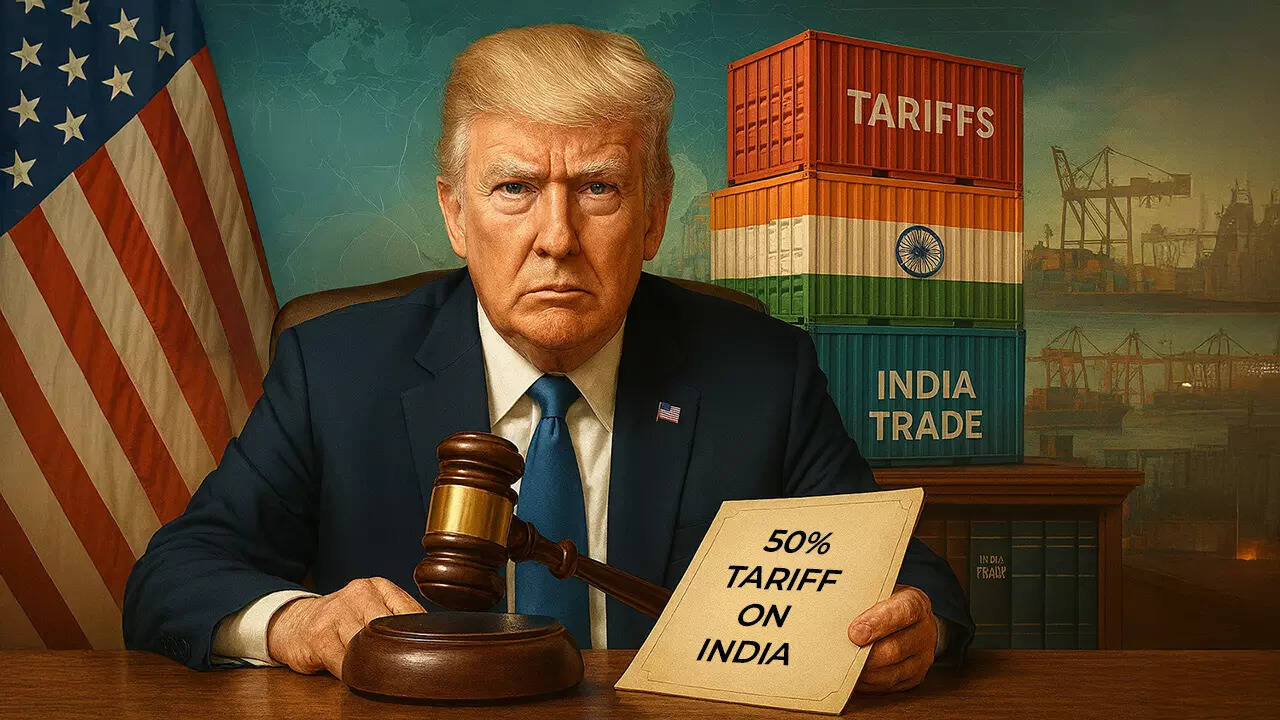
US President Donald Trump's imposition of a 50% tariff on Indian goods has dealt a severe blow to India's economy, especially the textile sector. To address this economic challenge, India has planned to increase textile exports to 40 new global markets, so as to reduce dependence on the US market and protect jobs. Details and background According to a US Homeland Security notification, an additional 25% tariff was imposed on Indian products from August 27, 2025, taking the total duty to 50%. This has hit the textile sector, which exported $10.3 billion to the US in 2024-25, the most. According to the Apparel Export Promotion Council (AEPC), this has resulted in a loss of over $48 billion and millions of jobs are at risk. Experts estimate that over 500,000 jobs in the textile sector could be at stake, as India's exports to the US market have virtually stopped. To address this situation, India has targeted the markets of 40 countries, including the UK, Japan, South Korea, Australia, Canada, and the Middle East, whose total textile exports Imports are $590 billion. India's current share is only 5-6%, but the commerce ministry plans to double it. Ashwini Kumar, president of the Federation of Indian Export Organisations (FIEO), said that these markets, especially the European Union and Latin America, offer huge opportunities for Indian textiles. Government initiatives and expectations Commerce Minister Piyush Goyal said that India is rapidly negotiating free trade agreements (FTAs), including agreements with the UK and the EU, to diversify its export strategy. He stressed that India will increase its share of 4.1% in global markets to compete with Vietnam and Bangladesh, which have low US tariffs (20%). Economist Gaura Sengupta warned that if this strategy does not succeed, GDP could contract by 0.4% in the financial year 2025-26. India has stepped up its "Make in India" campaign to boost local manufacturing, and exporters are being provided with training programs and subsidies in new markets. However, opposition leader Mallikarjun Kharge criticized the Modi government. He said that poor foreign policy led to this crisis, and the interests of farmers and small businessmen were not protected. "To strengthen our economy globally, we will have to find new markets, and not just bow to American pressure." — Piyush Goyal, Commerce Minister References The Hindu, Times of India, India Today, Express, Independent Urdu, X Post