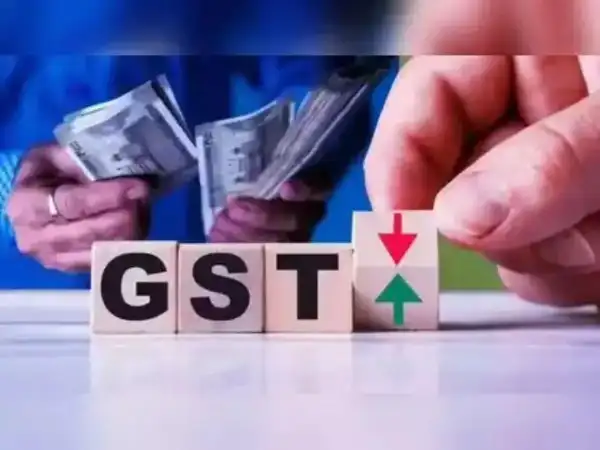
The 56th meeting of the GST Council, which begins today (September 3, 2025) in New Delhi, is the focus of attention across the country. The two-day meeting is considering a proposal to reduce tax slabs from four to two, which will be the biggest reform since the implementation of GST in 2017. As per Prime Minister Narendra Modi’s announcement on August 15, the 12% and 28% slabs may be abolished and two slabs of 5% and 18% may be implemented, while a new slab of 40% may be introduced for luxury and unhealthy goods (sane goods). This is expected to make everyday items cheaper, which will prove to be a ‘Diwali gift’ for the public. Key proposals of the meeting The GST Council, headed by Union Finance Minister Nirmala Sitharaman, will meet in New Delhi from today to September 4. The meeting will consider measures to simplify the tax structure, reduce the prices of everyday items, and facilitate business. 99% of items currently in the 12% slab will be shifted to 5%, while 90% of items will come in 18% from 28%. This will make soap, snacks, clothes, shoes (below Rs 1000), TV, AC, and mobile phones cheaper. Food items like chocolate, ice cream, pasta, Paratha, and cornflakes may attract zero or 5% tax. Educational items like pencils, sharpeners, maps, and practice books are proposed to be completely exempted from GST. Handloom products and cement ready-mix concrete will also be cheaper. A proposal to remove 18% tax on health and life insurance premiums is also under discussion, which will provide great relief to the common man. Background and Expectations Prime Minister Modi had announced the ‘Next Generation GST Reforms’ in his 79th Independence Day speech, which he called a ‘Diwali gift to the people’. The reforms will be implemented in light of the recommendations of the Group of Ministers (GoM), which aim to make the tax system transparent and simple. BJP spokesperson Pradeep Bhandari said: ‘These reforms will not only provide relief to the common man but will also boost business and the economy.’ However, some states are cautious due to the fear of revenue loss. Experts say these changes will reduce retail prices and increase the purchasing power of consumers. However, a 40% tax on sen goods like tobacco and pan masala will increase government revenue. The meeting also discussed the issue of flood returns and automatic Measures like refunds are also being considered, which will facilitate small businesses. “These reforms will reduce the burden on the pockets of the common man and open a new path for economic growth.” — Nirmala Sitharaman References India Today, The Hindu, Clear Tax, Times of India, Upstax, X-Post