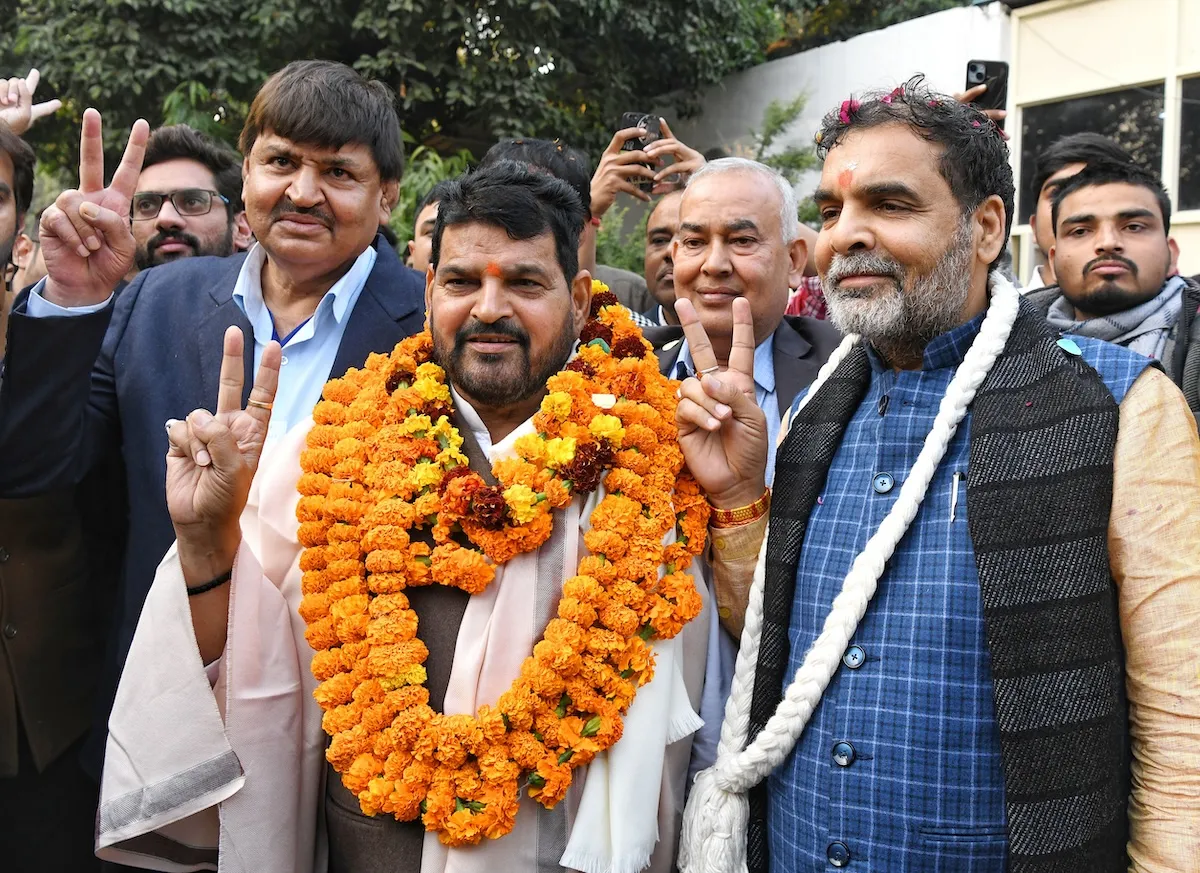
Everyone is happy on Eid...

Near Eid, it is commonly observed that almost every Muslim remains happy, whether they are poor or a beggar, from a middle-class family or a wealthy household. Wealthy families buy clothes worth thousands, and the middle class buy clothes worth hundreds. But the case of the poor class is completely different; they buy and wear the company's rejected clothes, which are actually fine but the company discards them due to some minor defect and sells them for two to three hundred rupees, and they also celebrate their own distinct happiness on that day. Praise be to Allah for that, Allah is the giver of happiness. S. Z. Tipturi

ارے بھائی!

اگر آپ ہزاروں کتابیں، نعتیں، تصاویر، ویڈیوز، اخبار، مضامین، قبلہ نما، اوقات نماز، اسلامک گھڑی اور بہت کچھ آسانی کے ساتھ حاصل کرنا چاہتے ہیں تو بس ہمارے Islamic Tube ایپ کو پلے سٹور سے انسٹال کرو، اور بالکل مفت اور آسانی کے ساتھ اسلامک مواد حاصل کرو

ڈاؤن لوڈ کریں
Image 1

The cultural invasion of Christianity!!

The cultural invasion of Christianity!!

As long as the Christian religion was not aligned with politics, every nation in the world had its own distinct attire. Even now, wherever Christianity has not influenced a nation's politics, that nation still retains its own specific national dress. In the countries where Christianity arrived in alignment with politics, the national attire of those places has been hidden away in an old trunk, much like the "garb of slavery" of Mahmud Ghaznavi's favorite slave, Ayaz, which is only occasionally brought out on festivals like Eid merely to refresh old memories. Consequently, the Christian attire—coat, trousers, and necktie—has now become an international dress, which is worn not only by Christians but by the inhabitants of every religion, country, and nation. As far as the coat and trousers attire is concerned, it is difficult to judge a person's nationality just by looking at it. Yes, however, one can determine from the complexion of the face or the spoken language whether a certain person is an American or a Pakistani. (Excerpt from the book "Ooper Sherwani Andar Pareshani" by the renowned writer and journalist Ibrahim Jalees)