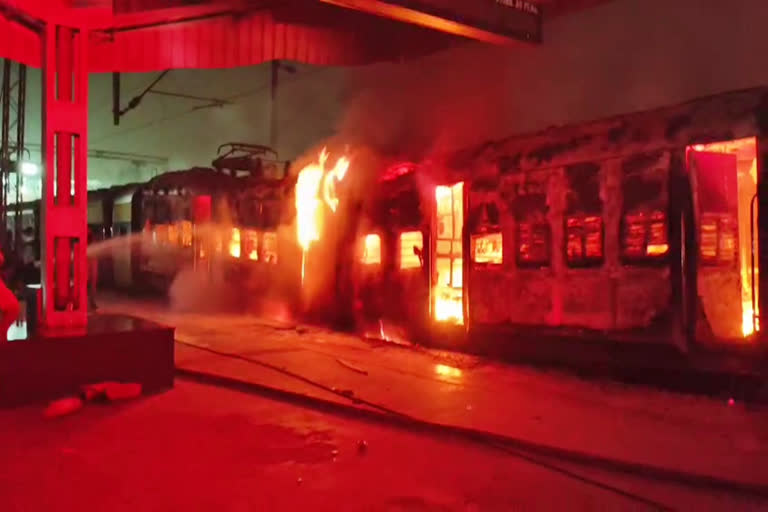
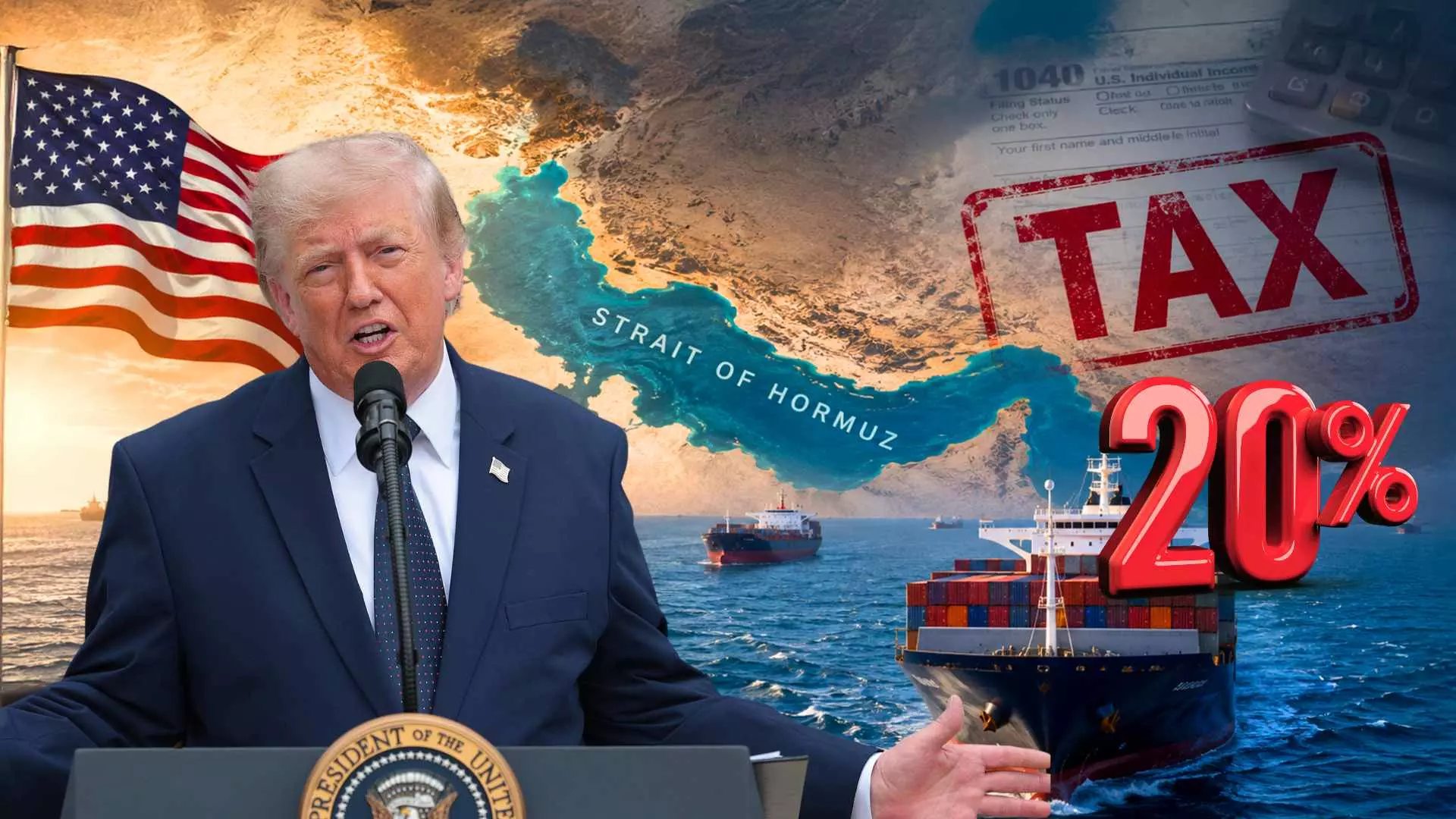
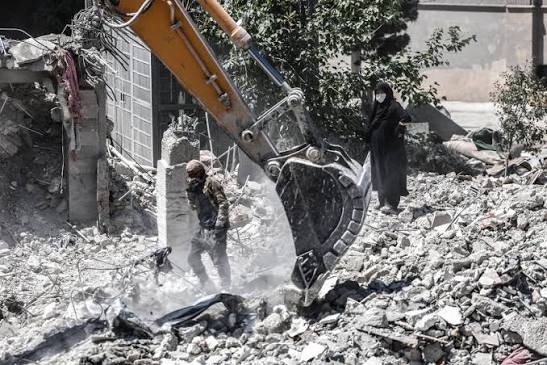
Scene of the incident: Two powerful explosions rocked central and northern Tehran on Tuesday, June 17, 2025, causing panic among city residents. The blasts came on the fifth day of an ongoing Israeli airstrike. There were no immediate details about the cause or exact locations of the blasts, AFP reported. However, the incident came a day after an Israeli strike on the headquarters of Iranian state television, which severely damaged the building and killed at least three people. Background: Tensions between Israel and Iran have been high since June 13, 2025, when Israel launched a series of strikes on Iran’s military and nuclear facilities. The attacks have killed 224 people and injured more than 1,200, 90 percent of whom were civilians, according to the Iranian Health Ministry. Iran, on the other hand, retaliated with multiple missile and drone strikes on Israel, killing 14 people in Israel and injuring hundreds. Before Tuesday's explosions, the Israeli military targeted the Iranian Broadcasting Authority on Monday, State television broadcasts were disrupted. A video showed a female anchor running from her seat during the attack as the building shook. Citizens in panic: Fear has gripped Tehran residents. The fire that broke out after Israeli strikes on the Shahran oil depot northwest of the city filled the sky with smoke. “The sounds of explosions kept us awake all night. The smoke was so thick it was hard to breathe. When we came out of our homes, we saw the sky turning red with flames,” said resident Mohsen Salehi. Residents of the city formed long lines at petrol pumps, fearing a fuel shortage, while many people tried to leave the city. Iranian authorities claimed that there was no disruption to the fuel supply, but citizens’ fears remain. Global response: US President Donald Trump has warned Tehran residents to evacuate immediately, signaling a further escalation of the conflict. He said that if Iran agrees to limit its nuclear program, the Israelis The attacks can be prevented. However, Iran canceled nuclear talks in Oman. Rafael Grossi, the head of the UN nuclear watchdog, confirmed the complete destruction of the above-ground part of the Natanz nuclear facility, but the underground centrifuges were not damaged. He appealed to all parties to show restraint. Conclusion: The echo of explosions and clouds of smoke in the skies of Tehran are testimony to the fact that the conflict between Israel and Iran has now taken the form of a full-scale war. There is a sense of fear and anxiety in the hearts of citizens, while the international community is engaged in diplomatic efforts to resolve the crisis. The conflict poses serious threats to regional stability and the global economy, and its outcome is still uncertain.