Why does a roti puff up? Learn the science and easy secrets to making soft, puffed rotis
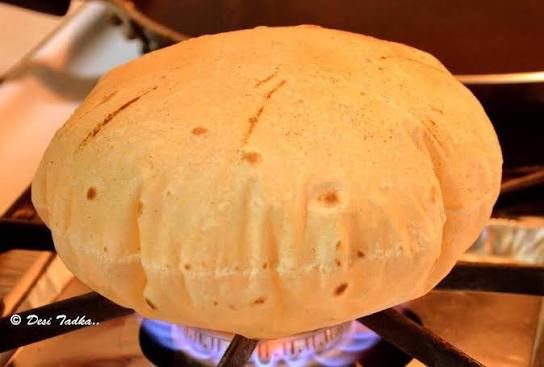
When a roti placed on a hot griddle (tawa) puffs up like a balloon, it is satisfying to watch. But many times, despite repeated efforts, the roti turns out hard like a stone or simply does not puff up at all. What is the reason behind this?
The Science of Puffed Rotis
Gluten Network: When wheat flour is kneaded with water, a special protein called gluten gets activated. It acts like a flexible network. Letting the dough rest for a while after thorough kneading allows moisture to penetrate deep into the flour.
Steam Pressure: As soon as the rolled-out roti is placed on a hot tawa, its moisture begins to turn into steam. High heat causes the top and bottom layers of the roti to cook and become slightly firm, preventing the steam from escaping. This steam builds pressure inside, lifting both layers upward. This is why the roti puffs up like a balloon.
Tips for Making Soft and Puffed Rotis
Knead with Lukewarm Water: Dough kneaded with slightly lukewarm water is very soft, and the rotis turn out completely soft as well.
Let the Dough Rest: Do not make rotis immediately after kneading. Cover the dough with a damp or dry cloth and let it rest for 10 to 15 minutes so that it sets properly.
Roll Evenly: Roll the roti evenly from all sides. If it is thick on one side and thin on the other, the steam will escape from the thinner spot and the roti will not puff up.
Keep the Tawa Well Heated: The tawa must be completely hot. Placing the roti on a cold tawa makes it hard.