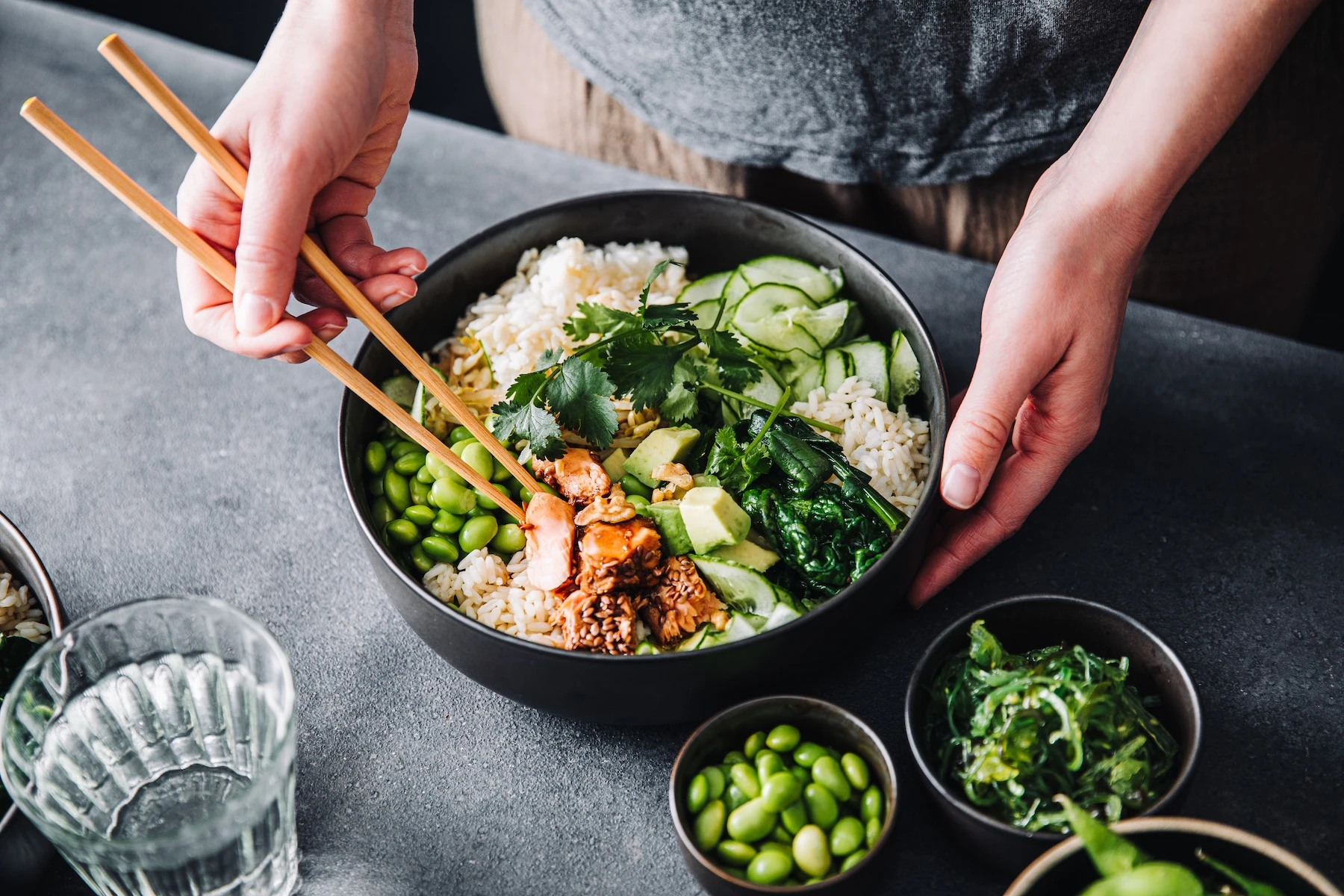
Importance of Protein Protein is an essential nutrient for the body that plays a key role in staying healthy. It is essential for the strength of muscles, skin, hair, and bones. Protein helps in building new cells, healing wounds quickly, and repairing muscles. Its deficiency can weaken the body and lead to many diseases. Symptoms of protein deficiency Muscle weakness: Protein deficiency stops muscle repair, making them weak. Loss of appetite: Protein deficiency reduces appetite, which leads to nutritional deficiencies. Craving for junk food: Protein deficiency increases the demand for sweet and unhealthy foods. Hair and nail disorders: Hair starts falling out and nails become weak and break. Fatigue and weakness: Protein deficiency causes a lack of energy in the body. Prevent protein deficiency If you are experiencing these symptoms, include protein-rich foods in your diet. A balanced diet is very important to meet protein deficiency. Natural sources of protein Protein-rich foods include: Soybeans: An excellent source of protein, an important part of a vegan diet. Part. Pulses: Chickpeas, lentils, and kidney beans are rich in protein. Green vegetables: Peas, green beans, and sprouts are healthy choices. Mushrooms: Provides a good amount of protein with low calories. Guava: A treasure trove of vitamins along with protein in fruits. Dietary tips Include these foods in your daily diet. Eat sprouts or lentil soup for breakfast, kidney beans or soy chunks for lunch, and mushroom soup or green beans for dinner. For adequate protein intake, consume 0.8 to 1.2 grams of protein per kilogram of body weight per day. Conclusion Protein deficiency can weaken the body, but it can be compensated through a balanced diet. Make soybeans, pulses, and green vegetables a part of your diet and live a healthy life. Do not ignore the symptoms and make changes to your diet on time.